Did you know that only 3 out of 100 people ever finish a first draft of a novel? That seems like a discouraging statistic doesn’t it? Here are some tips I’m using to stay motivated to write intentionally this Summer:
- Set realistic goals: It’s important to set goals that are both challenging and attainable. Set smaller goals like writing a certain number of words per day or per week. I’m aiming for 1,300 words per day to finish a first draft before school starts back. By breaking down writing into manageable chunks, I will be more likely to stay motivated and make steady progress towards completing a first draft.
- Find a writing routine: Some writers thrive on a set schedule, while others prefer to write when inspiration strikes. I’m a morning person so I plan to set 90 minutes aside in the morning for writing. By making writing a routine, I’ll be less likely to put it off or procrastinate.
- Keep writing, even if it’s not perfect: A first draft doesn’t have to be perfect. In fact, it’s almost guaranteed to be full of flaws and mistakes. But that’s okay! The important thing is to keep writing and not get bogged down by the little things. This Summer, I’m focusing on just getting my ideas down on paper not worrying if anyone will ever read what I write. I’m writing just for the fun right now and will see where it takes me.
- Take breaks: Writing a novel can be mentally and emotionally exhausting, so it’s important to take breaks. Walking helps me as well as watching a movie in my genre, or simply curling up with a book to help along my creative writing process. Stepping away from writing for a little while always gives me more inspiration when I return to writing.
I’m trying to make my breaks count by not doom scrolling during my down time but instead putting my screen time to good use by watching interviews with people who can inform my writing, going to the library to collect books that will help shape my characters and the world I’m building, as well as watching movies that I can study for clues with how to write dialogue in a more conversational way. I’m reading outside of my normal preferences in order to be a better writer. - Support, Accountability and Encouragement are Key: Writing a novel can be a lonely process, but it doesn’t have to be. Writing conferences, connecting with other writers online, or even having a writing buddy help tremendously. By surrounding yourself with like-minded individuals, you’ll feel less alone and more motivated to keep writing.
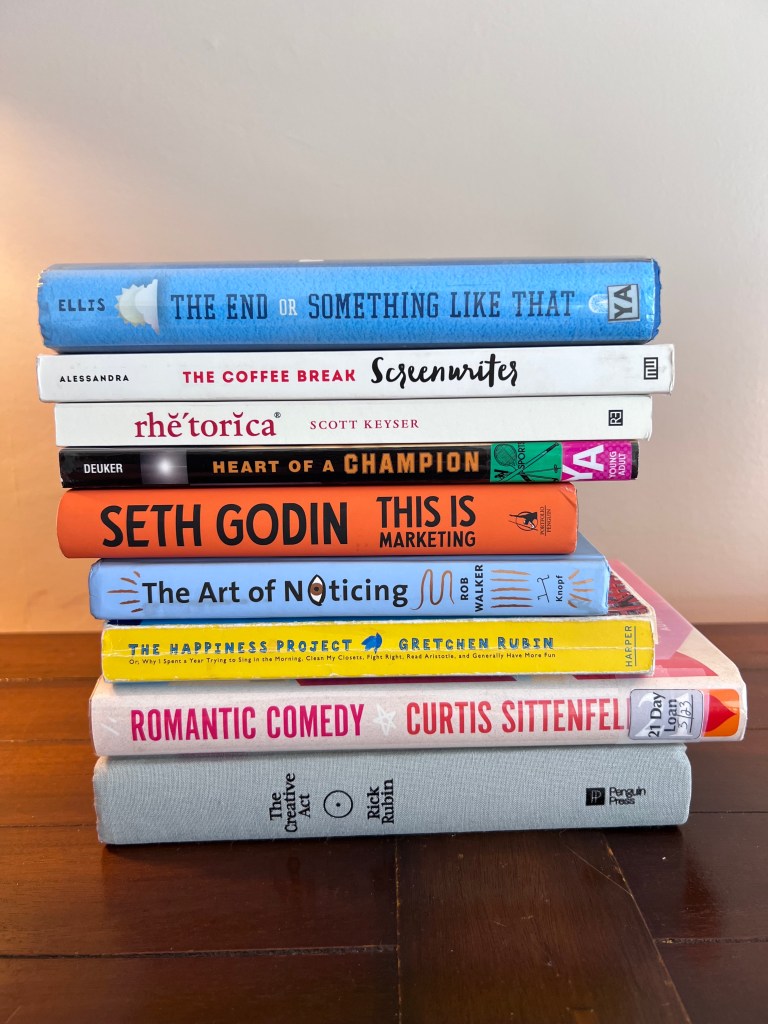
Personally I have three writing projects going. My main focus is working on a coming of age novel, but since non-fiction is my strong point, I also have a memoir with the theme of overcoming grief in the works for days when my creative writing is waning. My third project is co-authoring a sports coming of age novel with my husband that ties into the same world as the fiction novel I’m working on. I like juggling several creative projects in the Summers when there’s nothing on TV and a writer’s strike means there won’t be much to watch in the Fall as well according to this article:
“Scripted comedies and dramas may be forced to cut their seasons short or delay filming. If the strike continues into the summer, broadcast TV’s fall season would also be delayed, as preparations typically begin in late spring and summer.
Depending on the strike’s duration, at-home viewers and moviegoers might not notice the strike’s impact until it’s over. That’s because many shows and films have already wrapped production and will enter the marketplace unaffected by the strike.”
So looks like more reading and writing are in my near future to keep us all entertained!
 Create Everyday