
In a world that never stops moving, where every moment seems to slip through our fingers “like sands through the hourglass,” it’s important to step back and reflect on the world around us.
Joan Didion once said, “I write entirely to find out what I’m thinking, what I’m looking at, what I see and what it means. What I want and what I fear.”
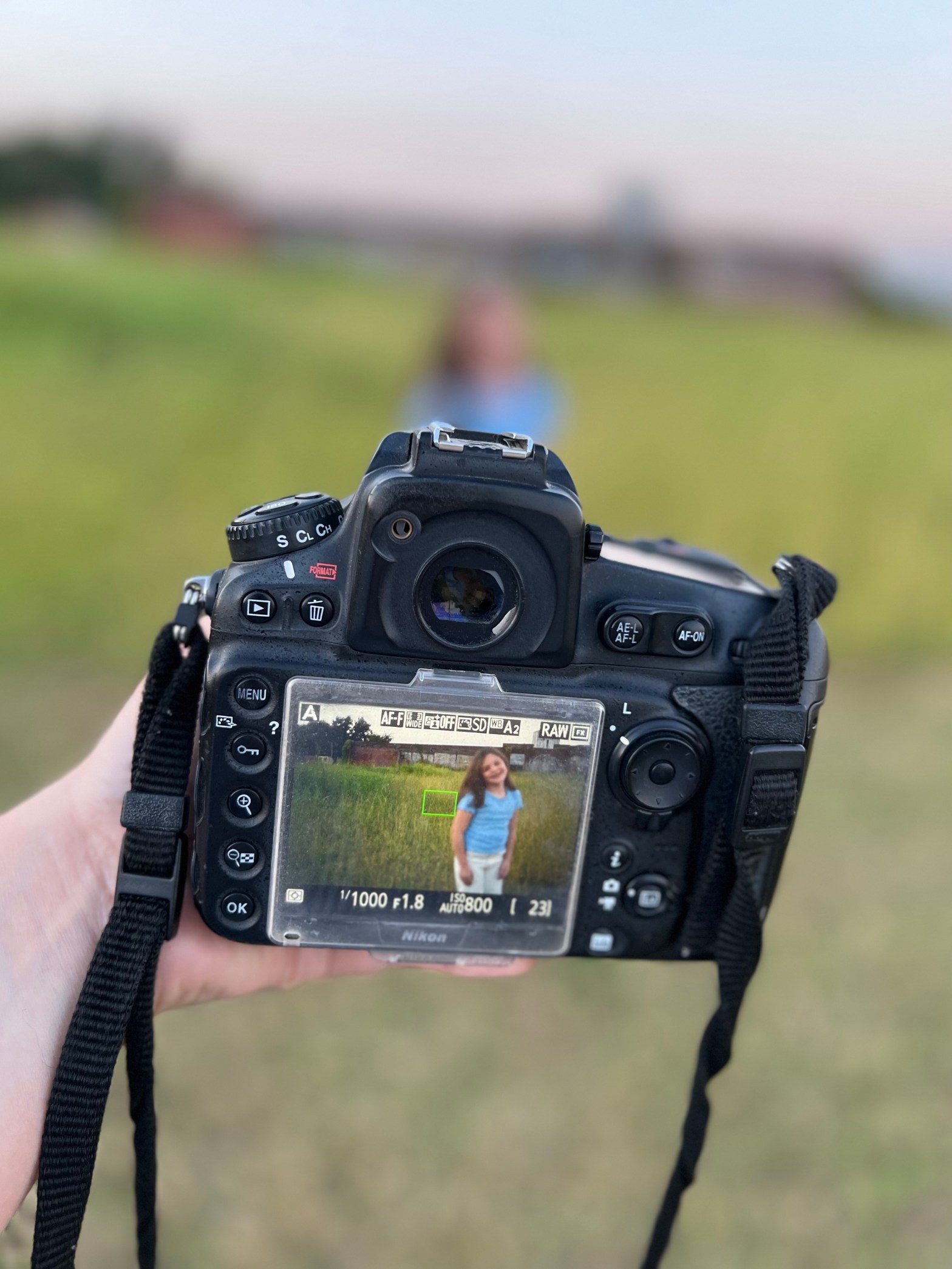
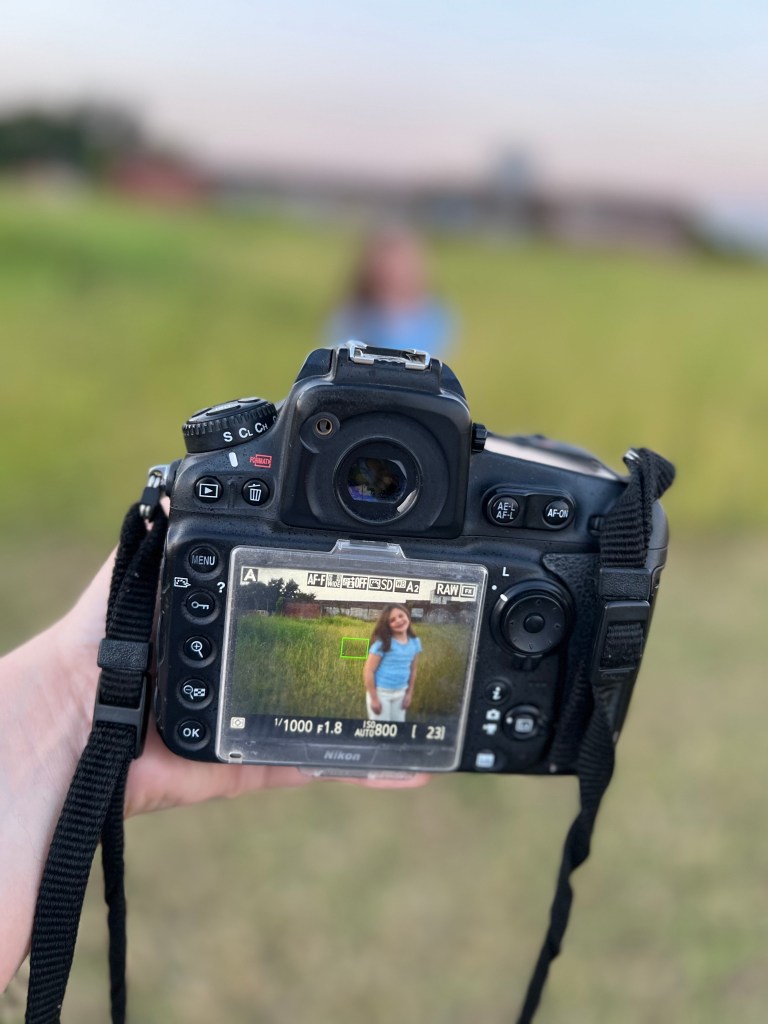
I find that I take pictures to figure out what to write, and from there how to think about it. I use photography as a tool to slow down, notice my surroundings, and capture the moment.
With a camera in hand, we have the power to freeze time, to hold onto a fleeting moment, and pause to actually think beyond the surface.
In day to day life as I’m driving around town I notice things that may bother me. If I’m not careful, those thoughts can turn into negativity. When I use my camera to capture both sides of the coin, so to speak, it gives me the perspective I need to see beauty in the ashes.
Just as a writer seeks to find meaning in words, I seek to find meaning in images.
What catches my eye?
How does it make me feel?
By rolling these questions around in my mind, things become clearer.
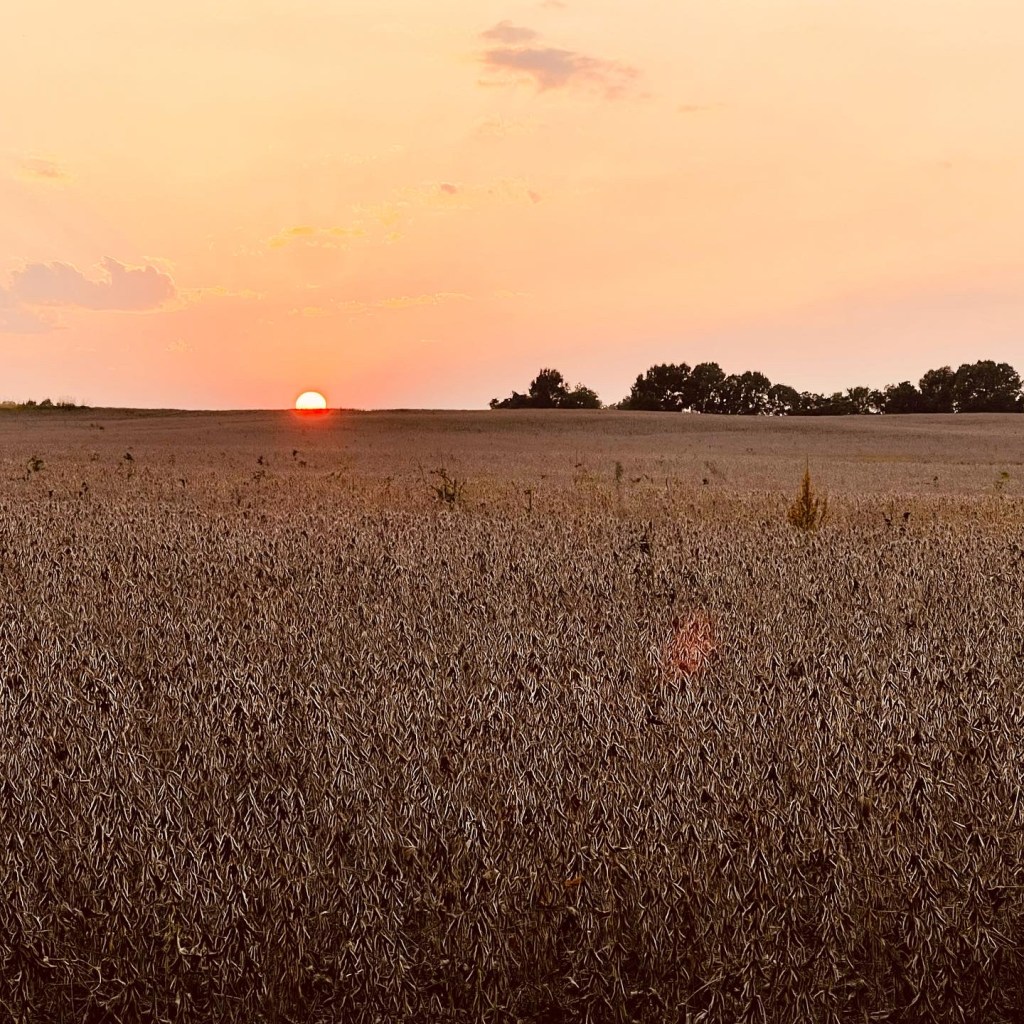
Photography allows me to notice the details that often go unnoticed—the way sunlight casts warmth like a blanket over my worn out town at dusk, the quick sparkle of laughter in my child’s eyes, the patina of an aged building, or the dancing shadows from a nearby tree on a peeling mural.
We can use photography to learn to see not only with our eyes but also with our hearts. It helps us tell the whole story. In contrast to those flawless Instagram home photos, where one area is meticulously decorated like a page from a magazine, but all the mess and outdated furniture are conveniently cropped out, capturing the essence of life in today’s small-town America demands an unfiltered lens that portrays both the harsh realities and the resilient spirit, avoiding looking through rose colored glasses.
So, I encourage you to pick up a camera, or even just your smartphone, and stop to see what you need to see.
Allow the act of taking pictures to help you notice what’s around you, and to give you the space to process your thoughts and feelings.
I create through writing and photography to connect with the world in a more meaningful way. I invite you to join me as we discover the beauty of the everyday. You never know what you might learn when you are open to creativity.
This week’s search led me to contemplate the love/hate relationship that exists with small towns.
On Small Towns
“Don’t you think sometimes people are formed by the landscape they grow up in?” -Joan Didion
Sometimes on Sunday nights to chase the melancholy away, I chase sunsets on roads where beauty and poverty live side by side creating the tension of living in small town America.

It feels as though the dirt under my feet holds my story and the stories of generations before who have called this place home.
But, if I tell the whole story, sometimes it is hard to live here. If you google news headlines about our town or search facebook for local conversation, you will find what seems to be a river of depravity and gossip whispered out loud with a dose of slander.
Yet what I know to be true is that there is an undercurrent of faith trying to lead us back to where we need to be, regenerated, revived, and renewed.
Anonymity. I sometimes wonder what it would be like to live somewhere where no one knew my name. I went inside a big box store on vacation and left there with my groceries and a surprisingly lonely feeling that I didn’t bump into anyone from elementary school. It left me wondering if I could ever get used to that?
Would l become relieved to be lost in the crowd of a big city or long to be back with a people who are connected to me by shared memories and nostalgia, never going anywhere without recognizing everyone and being recognized? My town was “linked in” be for LinkedIn was a thing.
“Living in a small town…is like living in a large family of rather uncongenial relations. Sometimes it’s fun, and sometimes it’s perfectly awful, but it’s always good for you.”
Joyce Dennys
“Most of my life, I’ve lived in fairly isolated spaces. Small towns. Not necessarily where everybody knows everyone explicitly, but there’s a sense of the wires of connection between you and the people you interact with. Where I grew up, even if I didn’t know the person, I had some sense of the degrees of separation between me and them. And so I think it was a little anxiety-inducing as a child because I always had a sense that my actions had reverberations that I could chart more than I could have in a city. So it impressed upon me that, even within this isolation, there was a slightly tighter constraint placed upon me and fewer places to hide within that constraint. So even this small, isolated, rural space still felt big and overwhelming. I think that shaped me in my creative process. I’m always seeing something small and trying to figure out if I can make it smaller. I’m trying to find a place to wiggle into.”
Kevin Wilson
“The simple truth is that you can understand a town. You can know and love and hate it. You can blame it, resent it, and nothing changes. In the end, you’re just another part of it.”
Brenna Yovanoff
Excerpt from the still untitled novella I’m working on:
Everly looked towards her little sister and out her window, “Nothing to see here…” she giggled. Barren rows and rows of turned over dirt where cotton once was streched as far as the eye could see. The fields were topped off with beige skies and tractors transitioning from farm to road slowing their progress most days.Soon the familiar buildings and worn storefronts rolled by as they made their way through the town’s main street. The morning fog blanketed the town, making it seem even more dreary than it was. But to Everly, it was home.
“Untitled” by Emily Cook








 Create Everyday