Novel Writing Tip: Working Backwards

In my day to day life if I get overwhelmed, I work backwards. I start with the deadlines in my day (kids’ ballgames, practices, etc.) then pencil in everything else I want/need to do above that. It works like a charm to keep my day efficient and organized!
As a writer, “working backwards” is also a very effective tool! This technique involves starting with the ending and working your way back to the beginning, and it’s been a game-changer for me. In this blog post, I’ll share how I’ve used this technique to plot my coming of age novel.

If you’re a fan of coming of age fiction or an aspiring author looking for tips on plotting your own novel, keep reading. This technique can be applied to any genre, but I find it particularly helpful for coming of age stories, which often center around a character’s personal growth and development.

Step 1: Start with the ending

The first step is to figure out how you want your story to end. Do you want your main character to achieve their goal? Or do you want them to fail and learn an important lesson? Once you have a clear idea of how you want your story to end, you can start working backwards.

Step 2: Identify the key milestones

Next, think about the key milestones that will lead your character to the ending you’ve chosen. What significant events need to happen to get your character from the beginning of the story to the end? These could be internal milestones, such as personal realizations and growth, or external milestones, such as completing a specific task or achieving a specific goal.

Step 3: Create a timeline

Once you have identified the key milestones, create a timeline of events. This will help you see the cause-and-effect relationships between events and ensure that your story flows logically. It’s also a good idea to note the emotional states of your character at each milestone. How do they feel about what’s happening to them?

Step 4: Fill in the details

Now that you have a rough outline of your story, it’s time to start fleshing out the details. Add descriptions, dialogue, and any other necessary details to make each scene come alive. Don’t worry about getting everything perfect on the first try – you can always go back and revise later.

Step 5: Revise and refine

Once you’ve written your first draft, it’s time to revise and refine. Make sure that each scene flows smoothly into the next and that your character’s emotional state is consistent throughout the story. Cut out anything that doesn’t move the plot forward or add to the character’s development. Keep refining until you’re happy with the final product.

Working backwards may seem counterintuitive, but it can be a powerful tool for plotting a coming of age novel. By starting with the ending and working your way back, you can ensure that your story has a clear and logical progression. So if you’re struggling with plotting, give this technique a try. You might be surprised at how effective it is.

You can use this technique to bring depth and resonance to your stories. Remember, the journey is just as important as the destination, and with the right tools and techniques, you can create a story that resonates with readers long after they’ve finished reading it.
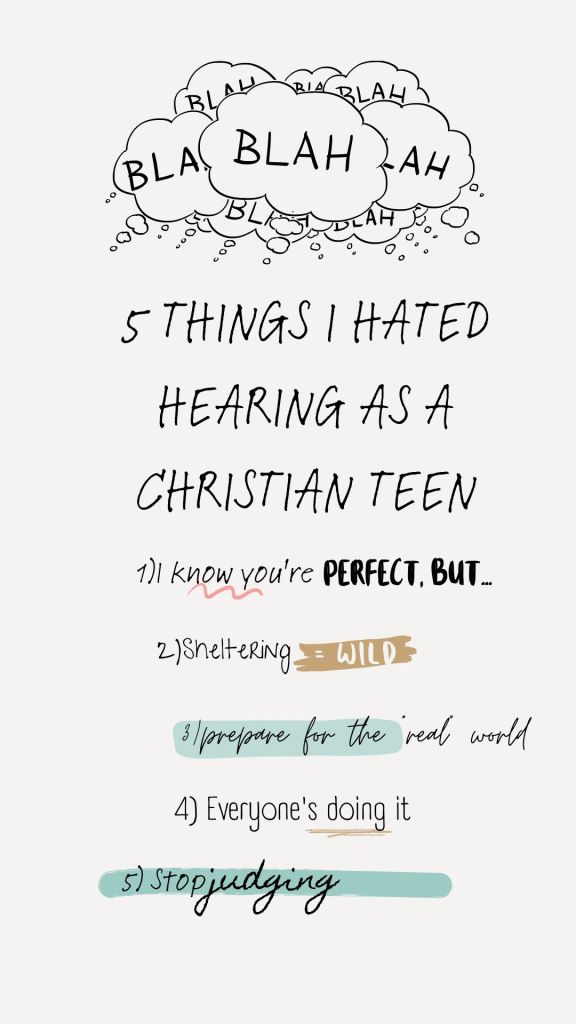
5 Things I Hated Hearing as a Christian Teen

As a girl after God’s own heart from an early age, I meant what I said when I gave my life to Jesus upon my salvation.

On behalf of the whole Church, I ask you:
Do you renounce the spiritual forces of wickedness,
reject the evil powers of this world,
and repent of your sin?

I do.

Do you accept the freedom and power God gives you
to resist evil, injustice, and oppression
in whatever forms they present themselves?

I do.

Do you confess Jesus Christ as your Savior,
put your whole trust in his grace,
and promise to serve him as your Lord,
in union with the Church which Christ has opened
to people of all ages, nations, and races?

I do.

According to the grace given to you,
will you remain faithful members of Christ’s holy Church
and serve as Christ’s representatives in the world?

I will.

The Holy Spirit work within you,
that being born through water and the Spirit,
you may be a faithful disciple of Jesus Christ. Amen.

I made these vows when I was a preteen, but the calling on my life was so strong that even at an early age I set my mind on Christ before I was ever in the big situations that teenagers face. In Christ, walking in victory over sin is possible as a teenager, even though the world will tell you otherwise.

Here are five things I hated hearing from teens and adults alike when I was a teenage follower of Christ.

  1. I know you’re perfect, but…
    This one is the most ironic and unfortunately still thrown at me at least once or twice a year to this day. No, I’m not perfect, nor do I think I am. That’s why I’m a Christian.

    I recognized my sin. I can’t get to heaven by being a good girl. I repented of my sin and trusted in Jesus Christ. I got filled with the Holy Spirit, began to love His word and did what is said. And when I messed up, I got back up, looked up, asked for forgiveness and tried not to go that way again.

    I follow Jesus because I recognized that following myself was leading to destruction in my life. Far from perfect is who I am. I was a wretch. He snatched me from the fire and saved me from who I would have chosen to be in my flesh.

    Girls: When they give you the side eye and throw that back handed compliment your way, you take a moment to reply, “No, I’m not perfect, but Jesus is and if you see anything good in me, all glory goes to Him. I can do no good thing apart from Him. John 15:5
  2. All of that sheltering is going to make you buck wild when you go to college.
    This is a lie from the enemy that adults throw at other adults and teens repeat. There is a difference in sheltering and shepherding. The difference in parenting out of fear vs. out of faith is that by faith you seek the Lord for wisdom on the choices you make for each of your teens, to give them appropriate amounts of freedom for their spiritual maturity. What irked me as a teen was the idea that people didn’t understand I was setting many safe guards for myself because I had the Holy Spirit guiding me.

    Girls: “Above all else, guard your heart, for everything you do flows from it.” Proverbs 4:23 Obey your parents, of course, but above all else you have to make the choice to guard your hearts from the evil’s of this world and the temptations that will come. Stand firm in your faith, even when you stand alone, and walk in His truth.
  3. You have to prepare for the “real” world.
    Being aware of what temptations were coming my way vs. immersing myself and desensitizing myself to culture are two totally different things. We are to be in the world, but not of it. Because there is cussing in movies, music, and tv, doesn’t mean I have to expose myself to it so that I can “be prepared” to hear it at my future job. I heard enough in the hallways of my high school experience to acclimate me to filth the rest of my life.

    And like John Mayer sang, “I just found out there’s no such thing as the real world, just a lie you’ve got to rise above.”

    Girls: Guess what? In the real world, you get to make the choices for who you get to date, what friends you want in your life, where you work, and what kind of things you expose yourself to. I’ve worked in secular and ministry workplaces as well as for myself and never once have I not been able to do my job because I made biblical choices in my life and you can, too.

  4. You better get used to it, everyone’s doing it.
    I made the choice at 14 to abstain from alcohol for life. God made a way for me to go to Ole Miss, known for being a party school. The Summer after graduation an adult gave me the advice that I better get used being around social drinking because everyone was doing it.

    I didn’t have the language for it then, but what I know now is I don’t have to get used to anything that makes me feel unsafe or uncomfortable. I graduated from Ole Miss with my values in tact and friends by my side as well as a wonderful college experience sober.
  5. You’re such a legalist and stop judging!
    When I would use discernment to distance myself from bad influences or hold another Christian friend accountable for a dangerous path they were on because I loved them, this one would get thrown my way.

    Girls: Jesus said, “For a good tree does not bear bad fruit, nor does a bad tree bear good fruit. For every tree is known by its own fruit. For men do not gather figs from thorns, nor do they gather grapes from a bramble bush. A good man out of the good treasure of his heart brings forth good; and an evil man out of the evil treasure of his heart brings forth evil. For out of the abundance of the heart his mouth speaks.”

    When you are young and impressionable it is important to surround yourself with people who are drawing you nearer to Christ and not pushing you away from Him. It was always a red flag for me when a saw a pattern of behavior from a classmate or friend that I needed to protect my witness and my walk by not getting swept away in rebellion.

    I kept my friend circle small and we held each other accountable.

    I hope this meets someone where they are today. Remember Christ followers are supposed to be set apart.

    We live differently.

    We can’t have one foot in the world and one in the church. Follow Jesus and don’t make anyone convince you that you need to bring worldliness with you.

Great Things from Small Beginnings

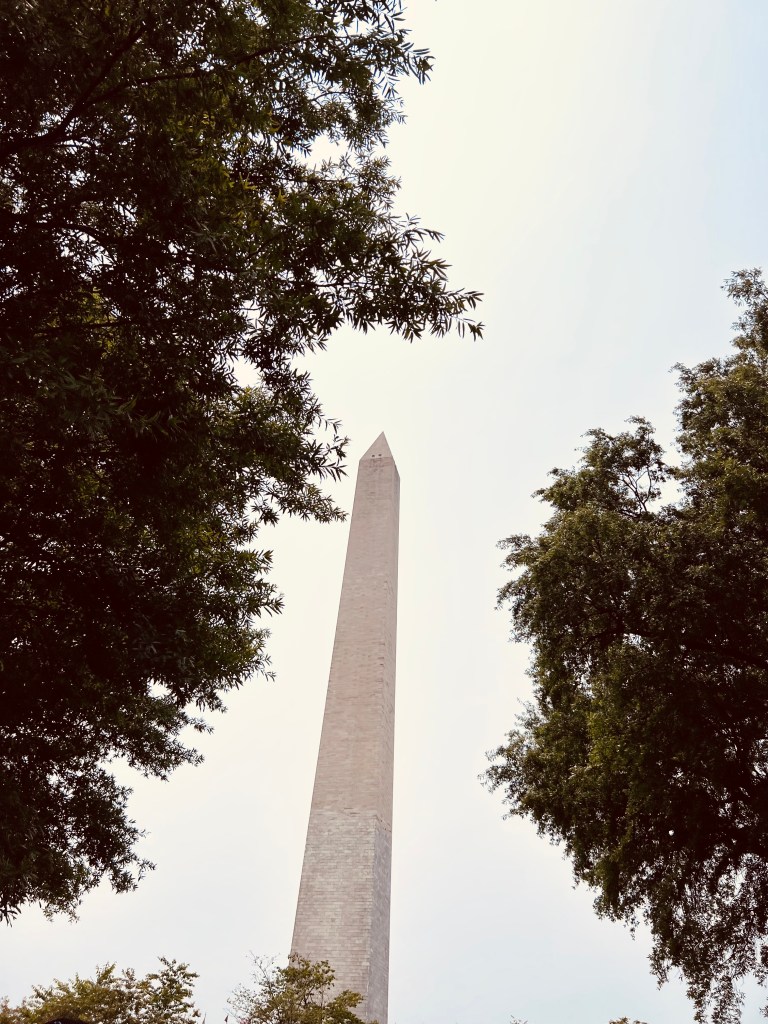
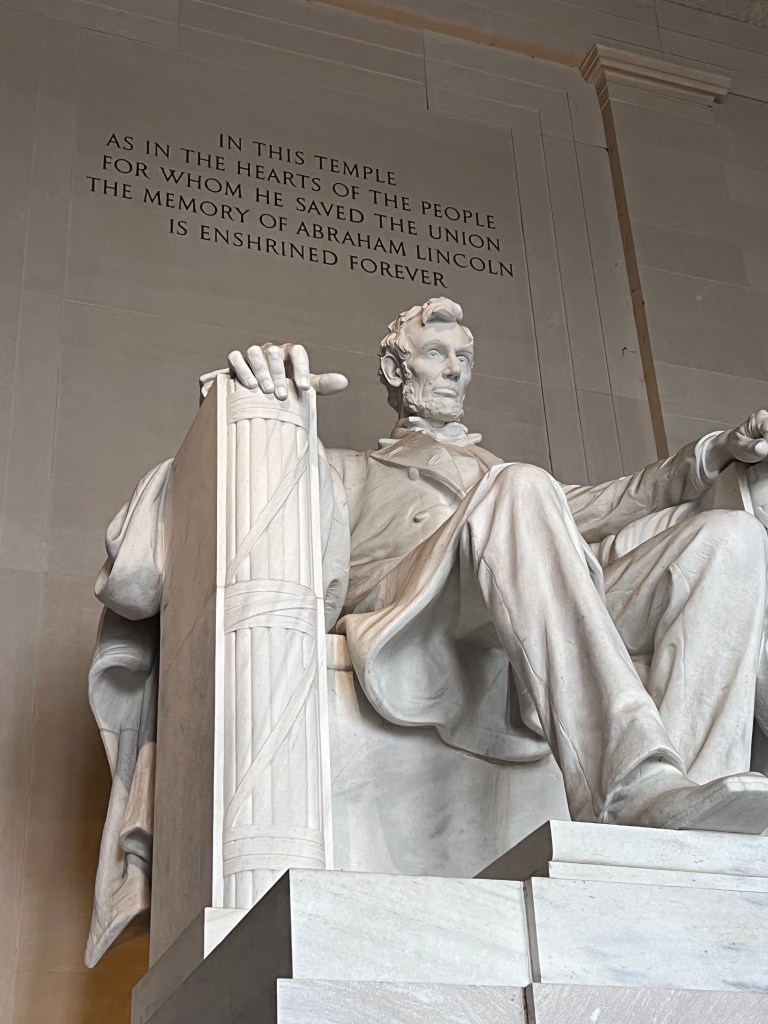
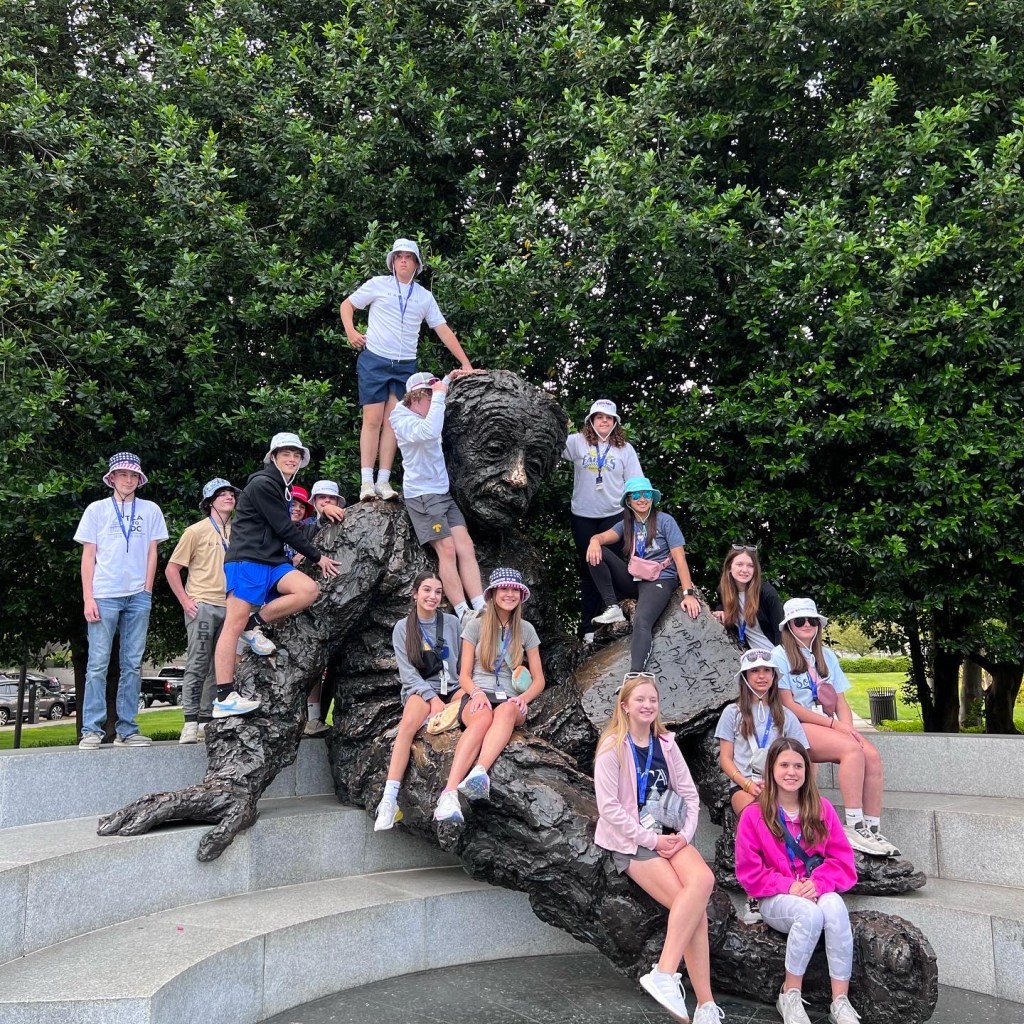
Two main ideas struck me when walking through D.C. last week. One I noted about Cincinnatus in an instagram post. The other has to do with “Rome” not being built in a day.

“A rose started off a bud, a bird started off an egg, and a forest started off as a seed.”

M. Dhliwayo

I chaperoned our school’s eighth grade trip last week and remembered touring all of these same places when I was their age. Yet this time felt different from the POV of a 42 year old in the 21st century.

What struck me as I walked dwarfed by these monuments made of white washed stones of remembrance was “Who dares despise the day of small beginnings?” Zech. 4:10

Everything starts small and even America had to start somewhere. These monuments didn’t pop up over night nor did our great nation. The sacrifices of many rooted America into what we’ve gotten to enjoy in our lifetime.

I was reminded that sometimes we have to sacrifice something we want so that someone else can have something better. It may not always be immediately tangible to giver or the receiver, but it is better. We can’t be afraid to be beginners, to start something new, to be the roots of something that we may not live to see the fruits.

The 90’s fruit tile that I once despised, but now see differently.

When I was in eighth grade we brought in self addressed double postage paid envelopes to put letters inside that we’d written to ourselves. In ten years we were to receive those letters to make sure the advice we’d given ourselves about our hopes, dreams, ideals, and whatever we’d want our older selves to remember was being lived in our 20’s.

Like clockwork mine arrived at my parents’ house in the early 2,000’s. The one thing I remember about my words is that it had the theme of wanting to be financially successful (spoken from the voice of a girl who had grown up in a recession). What the teacher failed to get us to consider when we wrote these letters was our calling.

What I couldn’t have understood at 14 was that it would be better to follow the calling God had on my life than to chase wealth. What I didn’t yet know was that money doesn’t buy happiness, but service to others pays the dividends. Service to others trumps personal gain every day of the week.

Instead of New York City like I wanted, God called us back to our small town and led us to invest in a small Christian school startup. He called me away from a growing career in graphic design and photography to raise a small family and use my art abilities to inspire young minds to glorify God through their creativity.

Instead of my eighth grade dream of a custom designed home, we live with 90’s fruit tile in our kitchen and 1970’s bathrooms (that I admit I sometimes complain about), but I’m reminded constantly it’s worth it to live this full of hope life that we are investing in is building a future for our family and community that will leap forth in growth in all the right ways.

Our school is growing, flourishing, leaping you might say and my kids are learning character as they are a part of the foundation of something bigger than themselves, something they can’t understand or see at their ages.

One day I hope they will each have their own stones of rememberence to look back on where they saw a small thing grow into something monumental.

It is said that perennials sleep when their root systems are being formed, then the next year they creep in growth, and the next year they leap blooming and growing exponentially! That’s what happens when we invest in the things we can not see and are patient enough to watch them come into fruition!

Writing Wednesday: Tips for Finishing Your First Draft

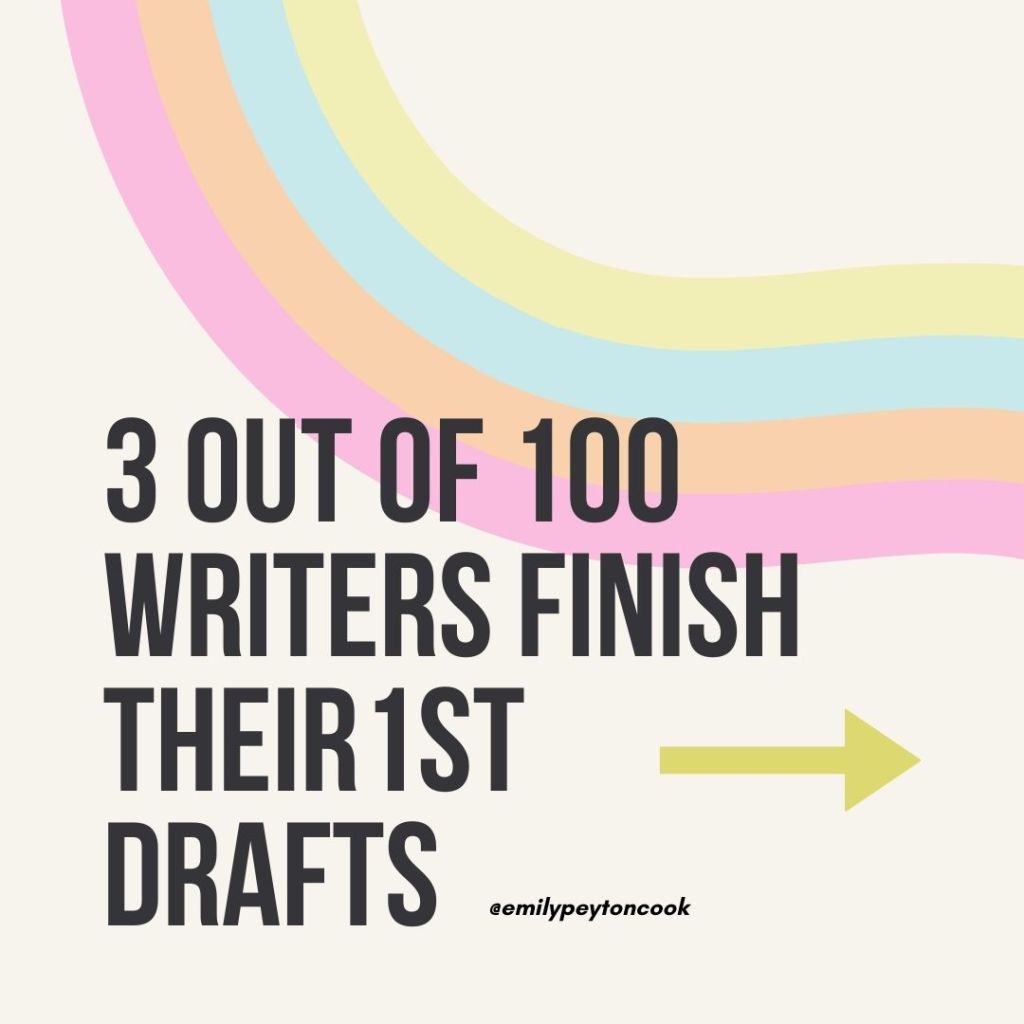
Did you know that only 3 out of 100 people ever finish a first draft of a novel? That seems like a discouraging statistic doesn’t it? Here are some tips I’m using to stay motivated to write intentionally this Summer:

  1. Set realistic goals: It’s important to set goals that are both challenging and attainable. Set smaller goals like writing a certain number of words per day or per week. I’m aiming for 1,300 words per day to finish a first draft before school starts back. By breaking down writing into manageable chunks, I will be more likely to stay motivated and make steady progress towards completing a first draft.
  2. Find a writing routine: Some writers thrive on a set schedule, while others prefer to write when inspiration strikes. I’m a morning person so I plan to set 90 minutes aside in the morning for writing. By making writing a routine, I’ll be less likely to put it off or procrastinate.
  3. Keep writing, even if it’s not perfect: A first draft doesn’t have to be perfect. In fact, it’s almost guaranteed to be full of flaws and mistakes. But that’s okay! The important thing is to keep writing and not get bogged down by the little things. This Summer, I’m focusing on just getting my ideas down on paper not worrying if anyone will ever read what I write. I’m writing just for the fun right now and will see where it takes me.
  4. Take breaks: Writing a novel can be mentally and emotionally exhausting, so it’s important to take breaks. Walking helps me as well as watching a movie in my genre, or simply curling up with a book to help along my creative writing process. Stepping away from writing for a little while always gives me more inspiration when I return to writing.

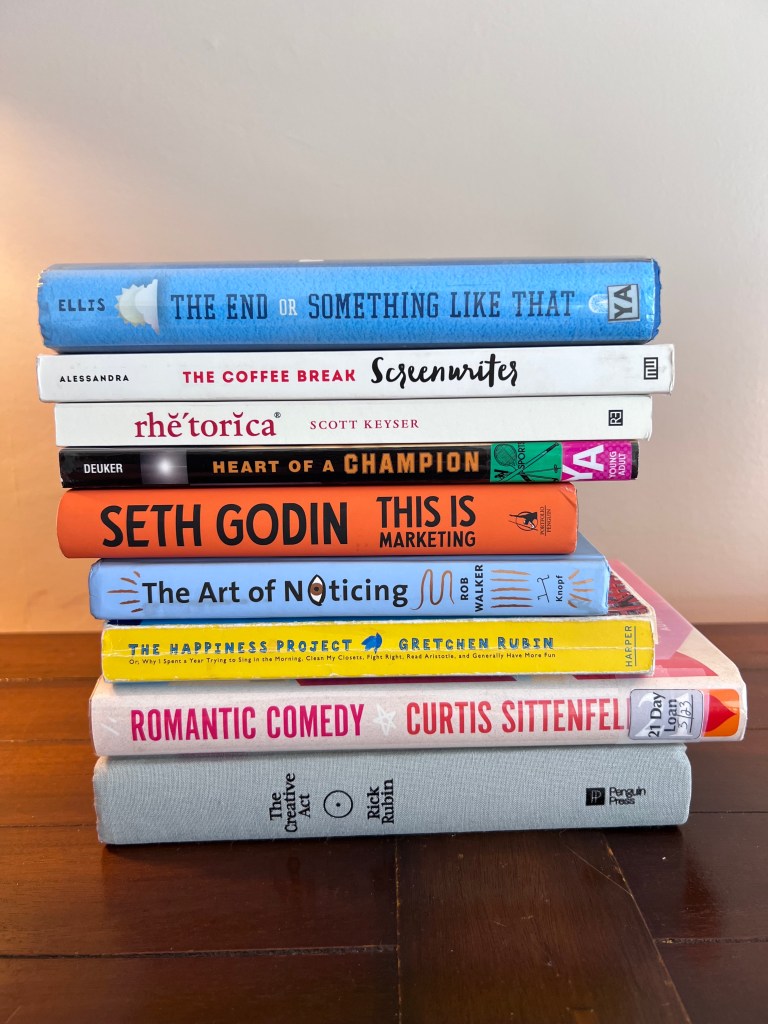
    I’m trying to make my breaks count by not doom scrolling during my down time but instead putting my screen time to good use by watching interviews with people who can inform my writing, going to the library to collect books that will help shape my characters and the world I’m building, as well as watching movies that I can study for clues with how to write dialogue in a more conversational way. I’m reading outside of my normal preferences in order to be a better writer.
  5. Support, Accountability and Encouragement are Key: Writing a novel can be a lonely process, but it doesn’t have to be. Writing conferences, connecting with other writers online, or even having a writing buddy help tremendously. By surrounding yourself with like-minded individuals, you’ll feel less alone and more motivated to keep writing.

Personally I have three writing projects going. My main focus is working on a coming of age novel, but since non-fiction is my strong point, I also have a memoir with the theme of overcoming grief in the works for days when my creative writing is waning. My third project is co-authoring a sports coming of age novel with my husband that ties into the same world as the fiction novel I’m working on. I like juggling several creative projects in the Summers when there’s nothing on TV and a writer’s strike means there won’t be much to watch in the Fall as well according to this article:

“Scripted comedies and dramas may be forced to cut their seasons short or delay filming. If the strike continues into the summer, broadcast TV’s fall season would also be delayed, as preparations typically begin in late spring and summer.

Depending on the strike’s duration, at-home viewers and moviegoers might not notice the strike’s impact until it’s over. That’s because many shows and films have already wrapped production and will enter the marketplace unaffected by the strike.”

So looks like more reading and writing are in my near future to keep us all entertained!

Defining Genre, Theme, & Key Scenes

Wonder Years, Photo Credit: Wikipedia

Are you ready to craft a captivating novel that engages your readers and leaves them wanting more? Understanding the genre, theme, and key scenes is essential for crafting a compelling story that resonates with your audience.

In this post, I’ll share my process for defining the genre, theme, and key scenes of my novel, and how they helped me structure a story that is engaging and meaningful. Keep reading to learn how to define these essential elements.

First, let’s start with the genre. My novel would probably be categorized as Young Adult Fiction. Defining genre is so important because it lets the reader know what to expect as well as where to find your book in the library or bookstore.

I’ve always been drawn to coming of age stories. Think Wonder Years, Now & Then, and My Girl. Coming of age is a popular genre that focuses on the protagonist’s journey from adolescence to adulthood. I chose this genre because I wanted to explore the challenges and triumphs of growing up in the 90’s, which I think is a universal experience that many Xennial and Millennial readers can relate to and want their kids to understand as well.

Next, let’s talk about the theme. The theme is the central idea or message that the story conveys. For my novel, the theme is the search for true contentment and asks the question “is all that glitters gold?” Throughout the story, my protagonist navigates through various challenges and obstacles to discover who they truly are and what they want out of life. Friendship, love, and community are secondary themes.

Some key scenes and conventions in the Coming of Age genre include:

  1. The Introduction: The introduction typically sets the stage for the protagonist’s journey into adulthood. This scene usually establishes the protagonist’s personality, relationships, and circumstances, which will be transformed throughout the story.
  2. The Conflict: A common convention in coming of age stories is the introduction of a conflict that forces the protagonist to confront difficult choices and challenges. This conflict may be internal or external, and it often drives the plot forward.
  3. The Journey: The protagonist’s journey is a central element in coming of age stories. This journey is usually both physical and emotional, and it often involves the protagonist leaving their comfort zone to explore new experiences and ideas.
  4. The Mentor: The mentor is a common character in coming of age stories. This character is typically an older, wiser person who guides the protagonist through their journey and helps them to learn important life lessons.
  5. The Turning Point: The turning point is a pivotal scene in coming of age stories that marks a significant change in the protagonist’s life. This scene often involves a moment of realization or self-discovery that propels the protagonist toward their ultimate goal.
  6. The Climax: The climax is the most intense point in the story, where the protagonist faces their greatest challenge and must make a difficult decision that will determine their fate.
  7. The Resolution: The resolution is the final scene of the story, where the protagonist has achieved their goal and has grown into a new, mature version of themselves. This scene often emphasizes the lessons the protagonist has learned and the new perspective they have gained.

The coming of age genre also has several conventions that are commonly used as well. These conventions include:

  1. The protagonist is typically a young person, often a teenager or young adult, who is on the cusp of adulthood.
  2. The protagonist is faced with a significant challenge or struggle that causes them to mature and grow. They have an inner conflict (desire vs. fear)
  3. The protagonist is often trying to find their place in the world, whether that be in terms of their identity, their relationships, or their goals and aspirations.
  4. The story often takes place over a period of time, allowing the protagonist to go through a transformative journey.
  5. The story often includes a mentor or guide who helps the protagonist navigate their journey and offers guidance and advice.
  6. The story often explores themes of self-discovery, identity, relationships, and personal growth.
  7. The story often ends with the protagonist having learned an important lesson or having gained a new perspective on life.

Overall, the coming of age genre is focused on the personal growth and the conventions listed above are used to explore this theme in a compelling and relatable way. Researching writing coming of age has been a fun experience and has helped me get my creative wheels turning?

What genre do you enjoy reading or writing?

Most popular fiction genres:

  • Fantasy
  • Science Fiction
  • Dystopian
  • Adventure
  • Romance
  • Detective & Mystery
  • Horror
  • Thriller
  • Historical Fiction
  • Young Adult (YA)
  • Children’s Fiction

Fiction Writing Process: Writing as Art

Writing is an art that requires patience, creativity, and a process that is unique to every writer. I have developed my own personal writing process much like my design process that allows me to cultivate ideas, develop them, and eventually turn them into a finished product that I am ready to share with the world.

When it comes to getting started, I believe that the seed of an idea can come from anywhere. Whether it’s a conversation with a friend, a memory, a news article, or simply observing the world around me, I always keep my eyes and ears open for inspiration.

The project I’m currently working on was inspired by a memory of life in the 1990’s. I’ll spend this Summer writing my first draft and documenting the process with you so that we can learn together.

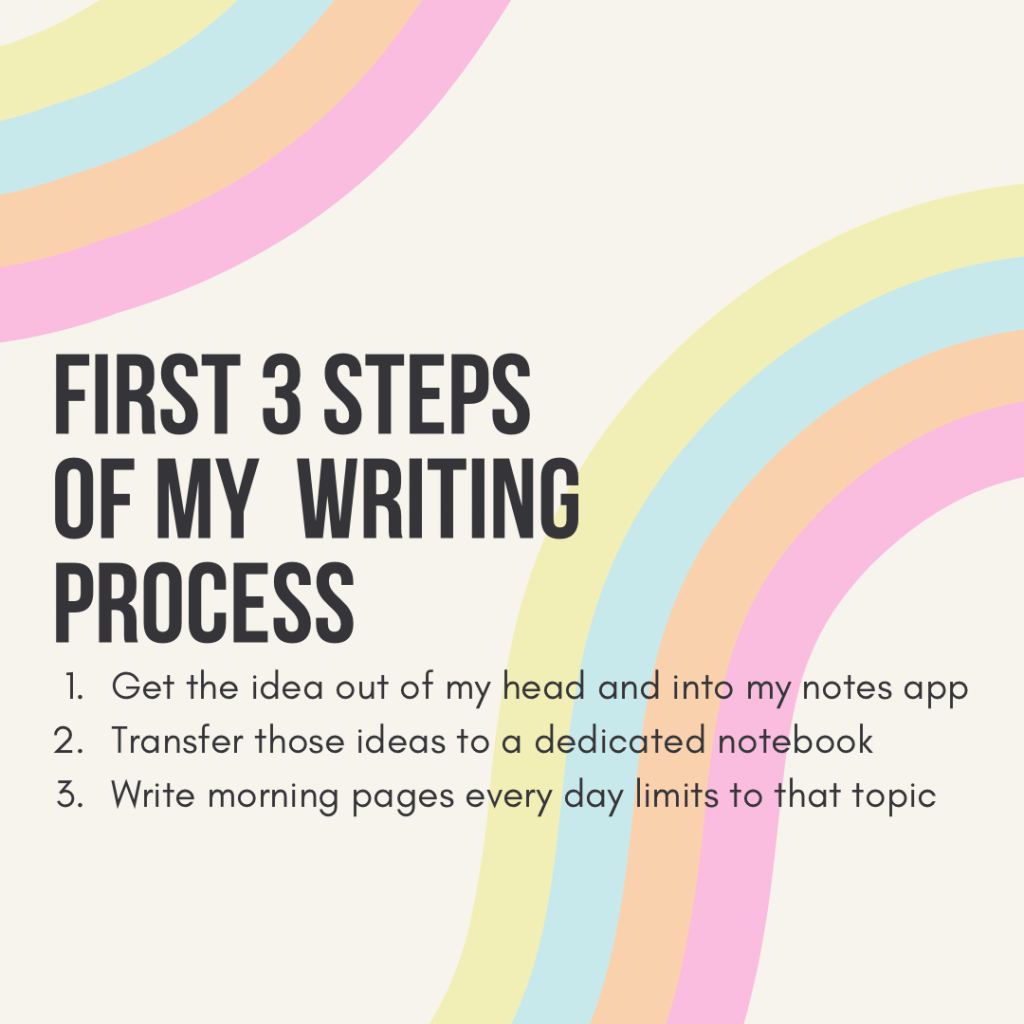
As the idea begins to take shape in my mind, I often find myself reaching for my phone to take notes. This might mean jotting down a few key words, recording a voice memo, or even typing out a rough outline of where I want the idea to go.

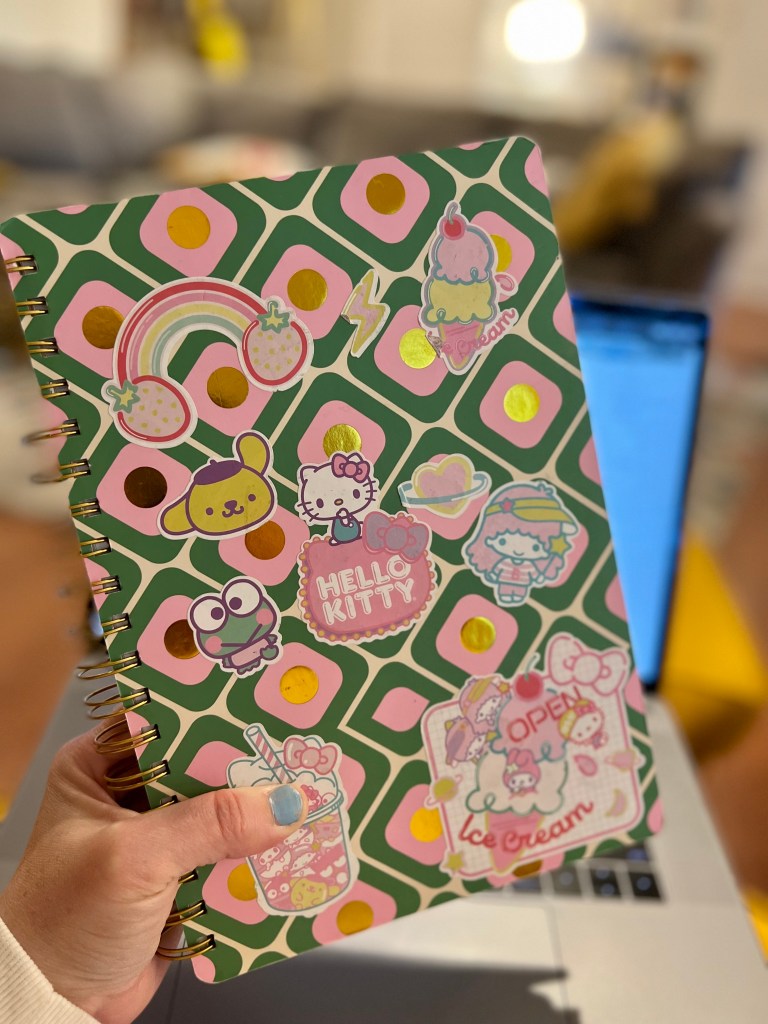
Once I have captured the initial spark of inspiration, I like to transfer my notes to a dedicated spiral notebook (My favs are from $5 Below). I guess it’s the visual artist in me, but there’s something about physically writing down my ideas long hand that helps me to further develop them and bring them to life.

I read “The Artist’s Way” in 2020 and the author suggests writing morning pages and going on “artist’s dates,” one idea being buying supplies to make your writing fun. I knew this project needed to work my nostalgia muscles so I added some Hello Kitty stickers to my cart.

I’ve found that instead of writing morning pages about random things, I am more productive when I give myself limits and put that writing time in this particular notebook towards a purpose, this season being to complete a 80,000 word novel.

From there, I like to sit with my ideas for a while, meditating on them in my mind. This can be a challenging part of the process, as I am often eager to dive in and start writing right away. However, I have learned that taking the time to fully flesh out an idea in my mind can save me a lot of time and frustration in the long run.

Of course, not every idea is a winner. As I continue to develop and refine my writing process, I have also learned the importance of weeding out the bad ideas and saving the good ones for later. This can be a difficult process, but it allows me to focus my time and energy on the ideas that have the most potential.

In the end, my personal writing process is all about finding balance between inspiration, creativity, and discipline. By staying open to new ideas, taking careful notes, sitting with my thoughts, and weeding out the bad ideas, I am able to bring my writing to life in a way that is hopefully authentic, engaging, and meaningful.

I hope you’ll enjoy following along this Summer and learn along with me in the process.

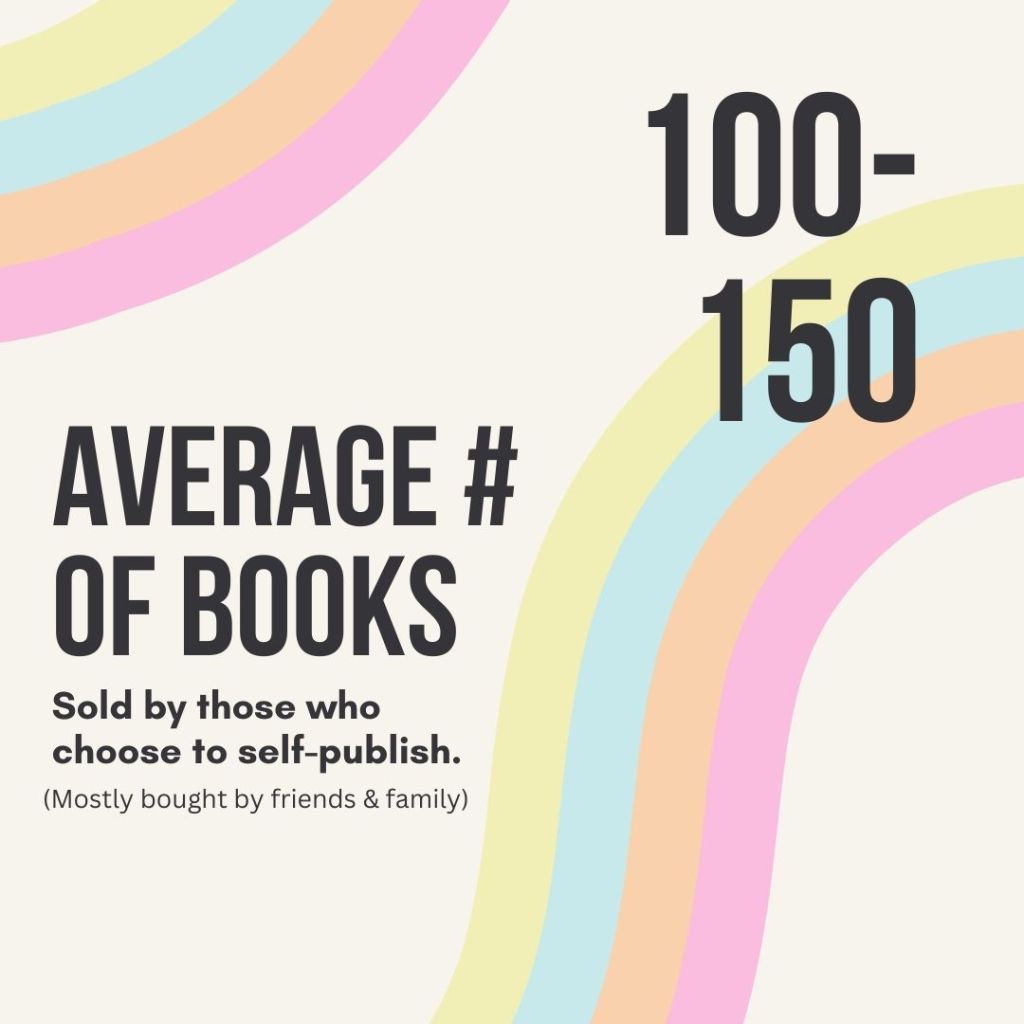
**Stats from a podcast featuring writer, Lisa Cron, talking about her book “Story Genius.”

Switching Genres

When I went to the John Mayer concert a couple of weeks ago, he played a new song he’d just written and everyone cheered loudly. I think recording artists do that at concerts because they have their fans right in front of them and it’s a good place to test out material. In a way, that’s why I’m sharing this with you, my blog fans, today. If you’ve been reading my musings for a while, I hope you’ll enjoy what’s coming next.

In these crazy times in which we live, I’ve found myself feeling overwhelmed and stuck with writing. A recession, local devestating tornadoes, and other recent fear inducing events have left me feeling a need to escape.

In the past, I focused my writing on faith-based topics, but lately, I’ve been drawn to more creative writing. I’m particularly interested in exploring what it means to be a Christian who expresses herself creatively.

That’s why I’m excited to be working on a new project, a fictional book that follows the coming-of-age journey of characters in the mid to late 90s. I’ve had my creative antenna up and started jotting down ideas. I got a new notebook (keeping with the theme, a 90’s looking Trapper Keeper) and began organizing my thoughts.

Then I had another idea for a related book that would tie those worlds together. While I don’t want to give too much away, I can tell you they’re both coming-of-age/contemporary fiction books with flash forwards and flashbacks.

I’ve already outlined the entire book, have a chapter list, and have written the first draft of the first chapter. I have no idea if anyone will ever read it besides me, but I know for sure that writing this book is a better way to spend my time than watching clips on YouTube about all the happenings in the world.

Whether I publish this book or not, I thought it would be fun to make it my summer project to take you along as I document my creative process in writing. Plus it will be good to have a record of how I wrote my first novel so I can go back to it one day if I want to repeat the process (and this blog will provide accountability).

Posts Coming Your Way Soon!
• My Writing Process
• How I Define the Theme, Genre, and Key Scenes for the Genre
• How I Create a Logline
• How I Map the Era and Build the World
• How I Outline the Book Writing Backwards
• How I Come up with the Chapters and Break them into Acts
• How and Why I Plot the Story 3 Different Ways
• How I Document Each Story in One Sheet
• How I Pick the Best Story
• How I Keep Myself Inspired
• How I Develop My Characters
• How I Write Long form
• How I Keep Improving as I Write
• My Favorite Podcast and Youtube Educators for Writers
• How I Think About Book Marketing as I Write

Join me as I escape the chaos and dive into a world of imagination and possibility. If you like to write, I hope these posts will help you along in your writing path as well.

Welcome Creatives!

This is where I share my creative process and behind the scenes of what I’m working on. Right now I have several projects in the works.

I’m currently working on everything from art/photography lesson plans to a new children’s book for kids of parents who work from home to a grief memoir and my first fiction novel. As I document my progress, I hope you’ll find inspiration, too, to pick up whatever creative tool you are drawn to and get to work making your corner of the world more beautiful.

Happy Creating!
Emily

Little Blessings

When you release a book into the world you never know what will come of it. My first book represented my personal story, my second the story of my town, and the one that releases tomorrow is the story of my faith.
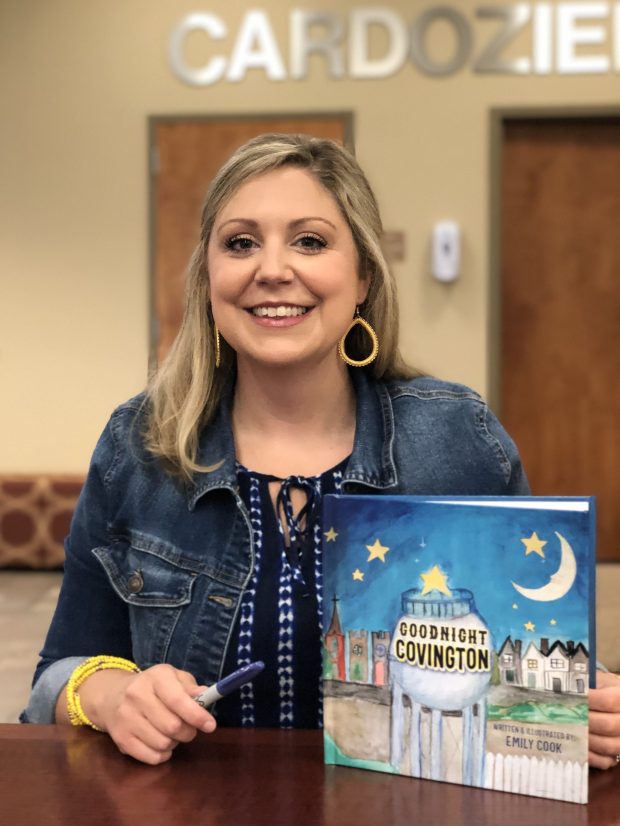
When I hear stories of little girls who relate with “Eclectic Emily” it puts a smile on my face. When I am told that grandparents buy “Goodnight Covington” for their out of town grandchildren and use it as a map to show them around the city, my heart is warmed.

These are blessings I never expected when I started this publishing journey in 2020. But it’s part of the promise I made to you in those early days of this IG account to create good things to share with you here. Authoring and illustrating doesn’t pay much, but the blessings I get from the readers are priceless!

Tomorrow is launch day for “Adventure to Joy” so bear with me as I try to get the word out and share the blessing of another book with whoever would want to read it.
Joyfully,Emily

Children’s Devotional Picture Book Now Available!

“What is joy?” I asked my students. “Happiness!” one child said. “Smiling all of your life!” answered another. “Excitement!” exclaimed another. “My parents say joy is a deep happiness.” the last student declared.

“All good answers, but there’s one more thing about joy that makes it different than happiness.” I added. “What makes you happy and me happy may be different. Happiness is dependent on your circumstances. Joy, however, is shared. It overflows! A special kind of joy comes from the Lord when the Holy Spirit lives in our heart. Joy is the Fruit of the Spirit!” I shared.
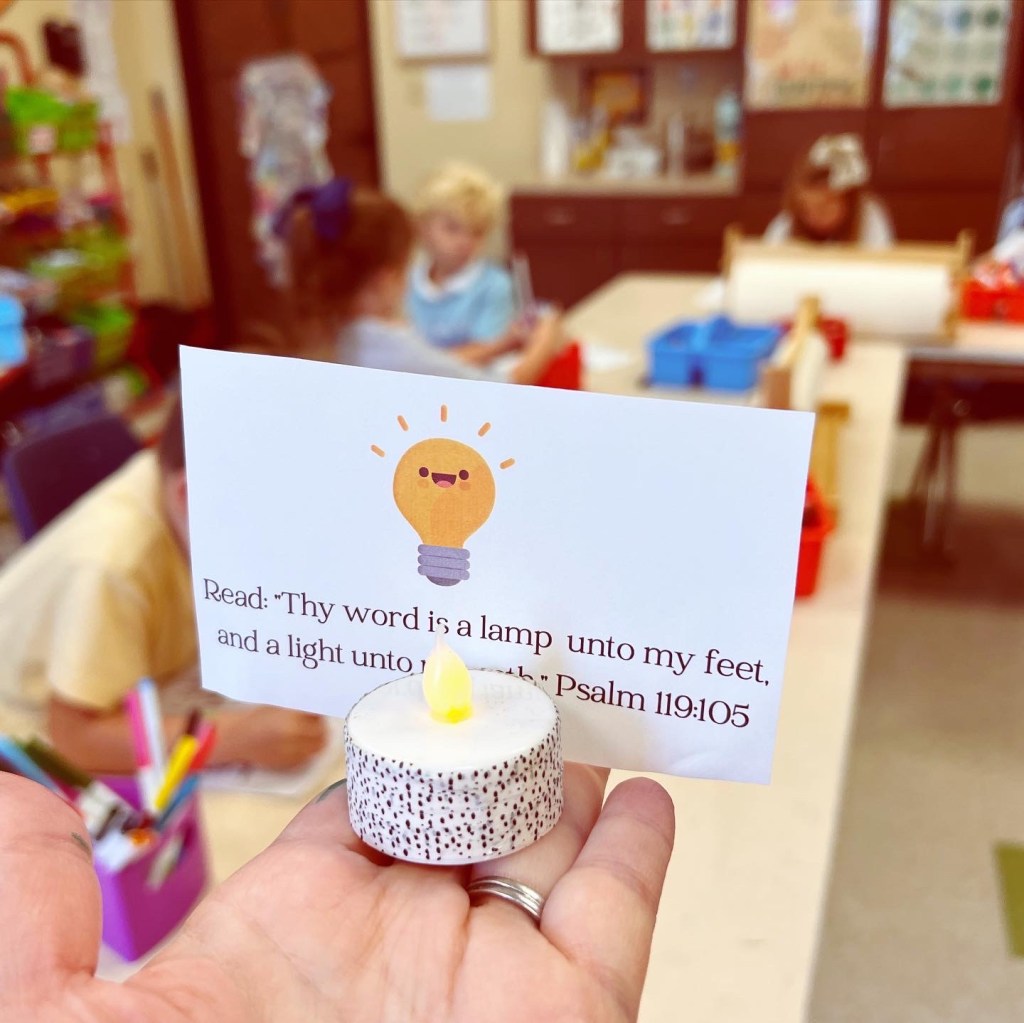
“That’s what Psalm 119 is all about, the joy that comes from following the Lord and living in His Word. Jesus is the way to joy and when our eyes are on Him and He lives in our hearts we can’t keep that joy to ourselves!” I said.

I participate in the Amazon Services, LLC. Associates Program, an affiliate advertising program designed to provide a means for sites to earn advertising fees by advertising and linking to Amazon properties including, but not limited to: amazon.com

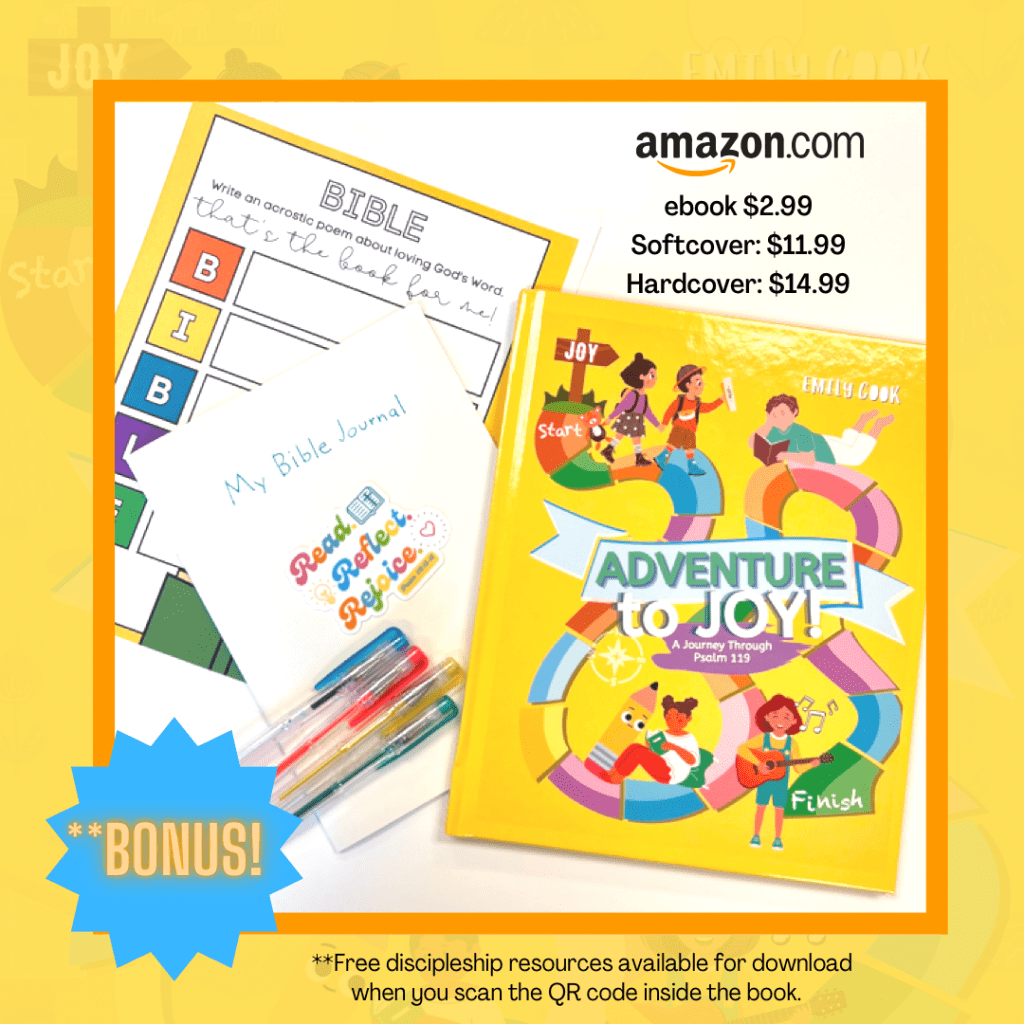
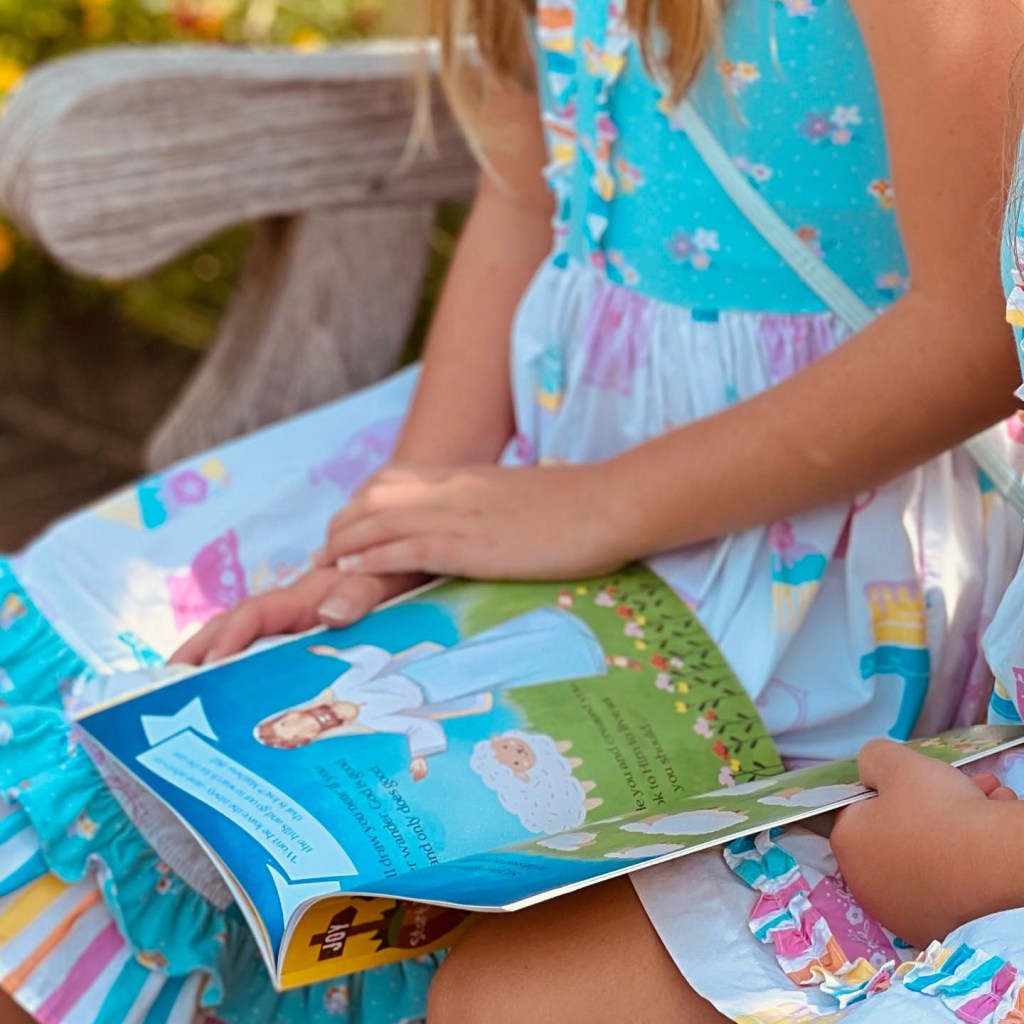
This theme is what inspired my latest children’s book, “Adventure to Joy: A Journey Through Psalm 119.” I wanted to share my love of God’s Word and this particular Psalm with children who love picture books.

ORDER HERE!

How to use my new book in the classroom, Sunday School, or at home with your children

  1. Read it to them like a traditional book.
  2. Use it like a children’s daily devotional, reading it a page or two at a time and discussing the meaning of each page.

Try to get them to read (or listen to you read), reflect on what was read, and rejoice in what they can be thankful. The dialogue I wrote at the beginning of this post is a great example of a back and forth conversation that could take place on page one of my book.

3. Scan the QR code in the back of the book to download additional object lessons, scripture memory cards, Bible art, and lesson plan ideas to help you disciple your children or students using this book.

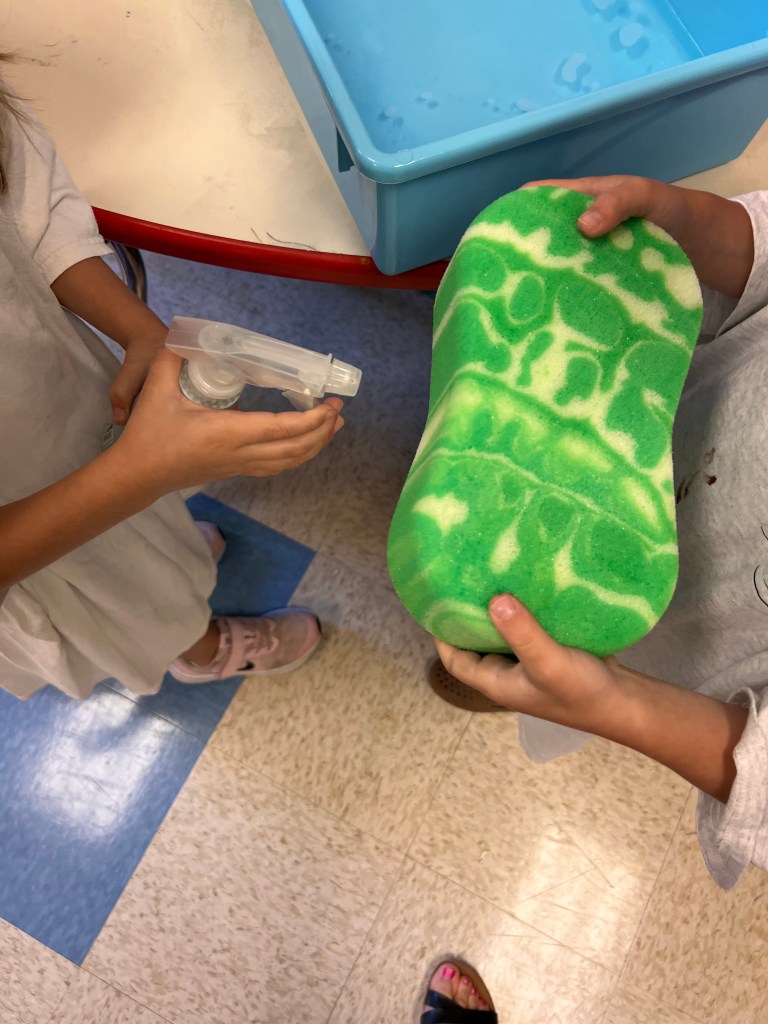
Demonstrating soaking in God’s Word daily instead of just looking at it from time to time.

I pray that “Adventure to Joy” will be a great resource to those who read it or share it. May a love for God’s Word will grow from the seeds that are planted!

Joyfully,
Emily Cook